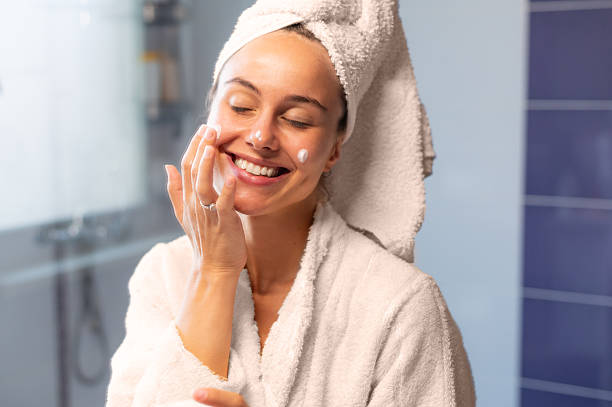
Summer had its moment. But if your skin suddenly feels tight, dull, or rough the minute the weather changes, you’re definitely not imagining it.
The arrival of fall is beautiful: cool mornings, cosy sweaters, pumpkin lattes, colourful leaves. Your skin, though? It often has a very different opinion.
One week your complexion looks healthy and radiant. The next, foundation clings to dry patches, your cheeks feel rough, and that glow seems to disappear overnight.
Here’s the thing: your skincare routine isn’t necessarily failing. The environment has simply changed.
Lower humidity, cooler temperatures, indoor heating, and stronger seasonal winds pull moisture from your skin much faster than they did during summer. If you keep using the same products, your skin may struggle to keep up.
That’s where a proper fall glass skin routine comes in.
Rather than chasing an unrealistic, poreless look, the goal is healthy skin that stays hydrated, smooth, resilient, and naturally luminous. Think of glass skin as well-maintained skin, not perfect skin.
Whether you’re juggling lectures, rushing between meetings, balancing motherhood, or trying to squeeze skincare into five busy minutes before bed, this guide will help you build a routine that actually fits real life.
Let’s start with what glass skin really means.
What Is Glass Skin, Really?
The phrase “glass skin” became popular through Korean skincare, but it’s often misunderstood.
People sometimes assume it means skin with invisible pores or zero texture. That’s not realistic. Every person has pores, tiny bumps, and natural texture.
Glass skin is better described as skin that looks:
- Well hydrated
- Smooth
- Even-toned
- Healthy
- Naturally reflective
- Comfortable rather than dry or irritated
Notice what’s missing?
Heavy makeup.
The healthiest glow almost always starts underneath your foundation.
Ironically, many people try to exfoliate more to get glass skin. During fall, that usually has the opposite effect. Overdoing active ingredients can damage your skin barrier, leaving skin dull instead of radiant.
Sometimes less really is more.
Why Your Summer Routine Stops Working in Fall
You know what? This catches almost everyone by surprise.
Your cleanser hasn’t changed.
Your moisturiser hasn’t changed.
Yet somehow your skin feels completely different.
That’s because your environment changed first.
During fall, several things happen at once:
- Humidity drops.
- Cooler air contains less moisture.
- Indoor heating dries the air even further.
- Wind weakens the skin barrier.
- Water evaporates from your skin more quickly.
Dermatologists call this transepidermal water loss (TEWL). It simply means your skin loses moisture faster than it can replace it.
Imagine trying to keep water inside a sponge while someone keeps squeezing it.
Eventually, the sponge dries out.
Your skin behaves much the same way.
Your Morning Fall Glass Skin Routine
You don’t need ten complicated steps every morning.
Consistency beats complexity.
Step 1: Use a Gentle Cleanser
If your skin doesn’t wake up oily, consider rinsing with lukewarm water or using a creamy cleanser.
Avoid cleansers that leave your face feeling “squeaky clean.”
That feeling often means you’ve stripped away protective oils your skin actually needs.
Look for ingredients like:
- Glycerin
- Ceramides
- Oat extract
- Amino acids
Great examples include:
- CeraVe Hydrating Cleanser
- La Roche-Posay Toleriane Hydrating Gentle Cleanser
- Vanicream Gentle Facial Cleanser
Step 2: Apply a Hydrating Toner or Essence
This is where hydration starts layering.
Instead of harsh alcohol-based toners, choose products rich in humectants.
Helpful ingredients include:
- Hyaluronic acid
- Panthenol
- Beta-glucan
- Rice extract
- Aloe vera
Think of this step as giving thirsty skin its first drink of water.
Step 3: Vitamin C Serum
Fall is actually an excellent time to use Vitamin C.
It helps:
- Brighten dull skin
- Fade summer pigmentation
- Support collagen production
- Fight free radicals
Don’t expect overnight miracles.
Vitamin C rewards patience.
Most people notice brighter skin after several weeks of consistent use.
Step 4: Moisturiser (Don’t Skip It)
Even oily skin needs moisturiser during fall.
In fact, oily skin often becomes dehydrated without becoming less oily.
Choose formulas with:
- Ceramides
- Squalane
- Cholesterol
- Fatty acids
- Shea butter
These ingredients strengthen the skin barrier while helping lock in moisture.
Step 5: Sunscreen Yes, Even in Fall
Cloudy weather can be surprisingly deceptive.
UV rays still reach your skin.
Daily sunscreen remains one of the simplest ways to protect collagen, reduce pigmentation, and help preserve that healthy glow you’ve been working toward.
Aim for SPF 30 or higher every morning.
Your Evening Fall Glass Skin Routine
Nighttime is when your skin focuses on repair.
A thoughtful evening routine doesn’t need to be long, but it should support your skin while you sleep.
Step 1: Remove Makeup and Sunscreen
If you’ve worn sunscreen or makeup, start with an oil cleanser or cleansing balm.
Follow with a gentle water-based cleanser if needed.
This helps remove buildup without aggressive scrubbing.
Step 2: Hydrating Layer
Reapply your hydrating toner or essence.
Layering hydration before heavier products helps your moisturiser perform better.
Step 3: Treatment Products
This is the time for active ingredients.
Depending on your skin goals, you might use:
Retinol
Helps with:
- Fine lines
- Uneven texture
- Acne
- Collagen support
Start slowly, perhaps two nights a week, and increase only if your skin tolerates it.
Niacinamide
Excellent for:
- Oil balance
- Redness
- Enlarged-looking pores
- Skin barrier support
Azelaic Acid
Helpful for:
- Acne
- Redness
- Post-inflammatory marks
- Uneven tone
You don’t need every active ingredient at once. Using one or two consistently often produces better results than layering several at the same time.
Step 4: Rich Moisturiser
Night creams tend to be slightly richer than daytime moisturisers.
Look for nourishing ingredients like:
- Ceramides
- Peptides
- Squalane
- Glycerin
- Colloidal oatmeal
If your skin still feels dry, try applying moisturiser while your skin is slightly damp.
That small habit can make a noticeable difference.
Weekly Treatments Worth Adding
Daily routines matter most, but weekly treatments can give your skin an extra boost.
Gentle Exfoliation
One or two times per week is usually enough during fall.
Chemical exfoliants often provide more even results than physical scrubs.
Good options include:
- Lactic acid
- Mandelic acid
- Polyhydroxy acids (PHAs)
Avoid using exfoliating acids and retinol on the same evening unless your skin already tolerates that combination well.
Hydrating Masks
Hydrating sheet masks or cream masks can help replenish moisture after a long week.
Ingredients to look for include:
- Centella asiatica
- Beta-glucan
- Hyaluronic acid
- Ceramides
Think of them as a comforting blanket for tired skin rather than a miracle treatment.
The Ingredients Your Skin Loves During Fall
Some ingredients seem almost made for cooler weather.
Ceramides
These naturally occur in the skin and help keep the protective barrier strong.
When ceramides become depleted, moisture escapes more easily.
Hyaluronic Acid
This ingredient attracts water.
To get the most from it, apply it to slightly damp skin and follow with moisturiser to help seal that hydration in.
Squalane
Lightweight yet nourishing, squalane helps soften skin without leaving a greasy finish.
It works well for many skin types, including combination skin.
Glycerin
Sometimes overshadowed by trendier ingredients, glycerin remains one of the most reliable humectants available.
It quietly does its job, and does it well.
Peptides
Peptides support firmer-looking skin and complement moisturising routines, making them a useful addition during cooler months.
Ingredients to Use More Carefully
Fall doesn’t mean abandoning active ingredients. It simply means paying closer attention to how your skin responds.
Reduce frequency if you notice persistent dryness from:
- Strong glycolic acid
- High-strength retinoids
- Benzoyl peroxide
- Multiple exfoliating acids used together
If your skin starts feeling irritated, scaling back often helps more than adding extra products.
Lifestyle Habits That Support Glass Skin
Skincare products matter, but they aren’t the whole story.
Healthy-looking skin reflects everyday habits, too.
Stay Hydrated
Drinking enough water won’t magically erase dryness, but hydration supports overall health and complements a solid skincare routine.
Prioritize Sleep
Your skin carries out many repair processes while you sleep.
A consistent bedtime can be surprisingly skin-friendly.
Eat Skin-Supportive Foods
Fall offers plenty of nourishing choices:
- Sweet potatoes
- Pumpkin
- Carrots
- Walnuts
- Salmon
- Spinach
- Avocados
- Citrus fruits
These foods provide vitamins, healthy fats, and antioxidants that support healthy skin.
Use a Humidifier
Indoor heating can dry the air significantly.
A humidifier adds moisture back into your environment, which may help reduce that tight, dry feeling many people notice during fall.
Common Fall Skincare Mistakes
Even experienced skincare lovers make these from time to time.
Using Summer Products Year-Round
Light gel moisturisers may no longer provide enough hydration once temperatures drop.
Adjusting your moisturiser with the seasons is completely normal.
Taking Very Hot Showers
They feel amazing.
Your skin, however, often disagrees.
Hot water strips natural oils more quickly than lukewarm water.
Try keeping showers warm rather than steaming hot, especially if your skin tends to become dry.
Exfoliating Too Much
When skin looks dull, the instinct is often to exfoliate more.
Oddly enough, that can make dryness and irritation worse.
Sometimes your skin is asking for moisture—not another acid.
Skipping Sunscreen
Shorter days don’t mean less UV exposure.
Daily sun protection remains one of the most effective habits for maintaining healthy-looking skin.
Budget-Friendly Fall Glass Skin Routine
You don’t need luxury skincare to achieve healthy skin.
A simple routine can be very effective.
Cleanser
- CeraVe Hydrating Cleanser
- Vanicream Gentle Facial Cleanser
Hydrating Serum
- The Ordinary Hyaluronic Acid 2% + B5
- Good Molecules Hyaluronic Acid Serum
Moisturizer
- CeraVe Moisturizing Cream
- E.l.f. Holy Hydration! Face Cream
Sunscreen
- Beauty of Joseon Relief Sun
- La Roche-Posay Anthelios SPF 50+
Choose products that suit your skin type and budget, and introduce new items one at a time.
Frequently Asked Questions
Can I still use retinol during fall?
Yes. Fall is often a comfortable season to introduce or continue retinol because sun exposure may be lower than in summer. Use sunscreen daily and start slowly if you’re new to it.
Is glass skin possible for acne-prone skin?
Yes. Acne-prone skin can still look hydrated and healthy. Focus on calming inflammation, supporting the skin barrier, and using acne treatments consistently rather than trying to eliminate every pore or mark overnight.
How long does it take to see results?
Many people notice improved hydration within days. Changes in texture, tone, and overall radiance typically take several weeks of consistent care.
Do I need a 10-step routine?
Not at all. A gentle cleanser, hydrating serum, moisturizer, sunscreen, and one treatment product can be enough for many people.
Final Thoughts
A fall glass skin routine isn’t about chasing perfection or copying someone else’s shelf full of products. It’s about paying attention to what your skin needs as the seasons change.
For students racing across campus, professionals moving from meetings to commutes, and parents squeezing self-care into a busy day, simplicity often wins. A gentle cleanser, steady hydration, a barrier-supporting moisturizer, and daily sunscreen can carry you surprisingly far.
If your skin seems dull after summer, don’t panic. It’s a common seasonal shift, not a sign that you’ve failed your routine. Make a few thoughtful adjustments, give your skin time to respond, and stay consistent.
The glow you’re after usually isn’t the result of one miracle product. More often, it’s the quiet outcome of small habits repeated day after day. And that’s good news, because healthy, radiant skin is far more achievable than the flawless images that fill social media feeds.