
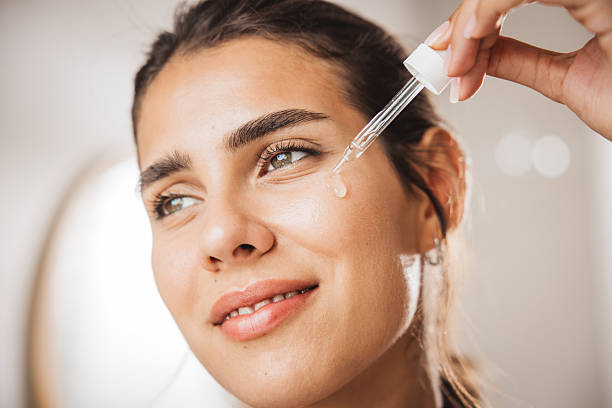
Some mornings feel like a race.
The alarm rings. Coffee comes first. Emails are already waiting. Maybe you’re packing school lunches, trying to beat traffic, or squeezing in a quick workout before work begins.
Skincare often becomes an afterthought.
Ironically, those few minutes you spend caring for your skin each morning may have a bigger impact on how your skin looks in ten years than the expensive cream sitting on your bathroom shelf.
That sounds dramatic, but dermatologists have been saying something similar for years.
Healthy-looking skin isn’t usually the result of one miracle product. It’s the result of hundreds, actually thousands, of small decisions repeated consistently.
Your morning routine is one of those decisions.
If you’re hoping to soften fine lines, maintain a healthy glow, reduce dark spots, or simply keep your skin looking fresh as the years pass, the right morning routine can quietly work in your favour every single day.
The good news?
It doesn’t need twelve products. It doesn’t need an hour. And it certainly doesn’t need to empty your wallet.
Let’s walk through a routine that actually makes sense for busy students, professionals, young mothers, and anyone who wants effective skincare without turning it into another full-time job.
Why Your Morning Routine Matters More Than You Think
People often focus on what happens at night.
Night creams.
Retinol.
Sleeping masks.
Those products absolutely matter.
But mornings are different because your skin is about to face its biggest challenge of the day—the outside world.
Think of your skin like a freshly painted fence.
You wouldn’t paint it beautifully and then leave it exposed to harsh weather without protection.
The same idea applies here.
Every morning your skin meets:
- UV rays
- Air pollution
- Blue light from screens
- Wind
- Dry indoor heating or air conditioning
- Sweat
- Makeup
- Dirt and bacteria
Over time, these tiny daily stressors create something called extrinsic aging, aging caused by environmental factors rather than genetics.
Here’s the encouraging part.
Much of it is preventable.
A thoughtful morning routine creates a protective layer before your day even begins.
What Happens to Your Skin Overnight?
While you sleep, your body switches into repair mode.
Skin cells regenerate.
Blood circulation increases.
Collagen production continues.
Moisture, however, slowly evaporates.
This is called transepidermal water loss, and it’s perfectly normal.
By morning, your skin often needs three things:
- Hydration
- Antioxidant protection
- Sun protection
Everything else builds around those three goals.
Step 1: Start With a Gentle Cleanser
Here’s the thing.
Not everyone actually needs an aggressive cleanser first thing in the morning.
If your skin is very dry or sensitive, simply rinsing with lukewarm water might be enough.
For oily or acne-prone skin, a gentle cleanser helps remove excess oil, sweat, and overnight skincare residue.
Look for cleansers containing ingredients like:
- Glycerin
- Ceramides
- Hyaluronic acid
- Oat extract
Avoid formulas that leave your skin feeling tight or squeaky clean.
That “super clean” feeling usually means your skin’s natural barrier has been stripped away.
And once that barrier becomes weaker, fine lines often appear more noticeable because dehydrated skin reflects light poorly.
Step 2: Vitamin C Is the Real Morning Hero
If someone asked dermatologists to choose only one morning anti-aging serum, Vitamin C would probably win most votes.
There’s a reason.
Vitamin C helps:
- Reduce oxidative stress
- Brighten dull skin
- Fade post-acne marks
- Support collagen production
- Improve overall skin tone
- Reduce the appearance of sun damage over time
Think of sunscreen as your shield.
Vitamin C is the reinforcement standing behind it.
Together they work much better than either one alone.
When shopping, you’ll usually see ingredients like:
- L-Ascorbic Acid
- Sodium Ascorbyl Phosphate
- Magnesium Ascorbyl Phosphate
- Ascorbyl Glucoside
If you’re new to Vitamin C, lower concentrations around 10–15% are often easier for sensitive skin.
Step 3: Hydration Makes Skin Look Younger Immediately
Fine lines don’t always mean aging.
Sometimes they simply mean dehydration.
That’s an important difference.
Imagine a grape compared to a raisin.
Both are technically the same fruit.
The biggest difference?
Water.
Hydrating ingredients help your skin appear smoother because well-hydrated skin reflects light more evenly.
Popular ingredients include:
- Hyaluronic acid
- Polyglutamic acid
- Beta-glucan
- Glycerin
- Aloe vera
- Panthenol
Apply hydrating serums while your skin is still slightly damp.
That tiny habit can make a noticeable difference.
Step 4: Moisturiser Does More Than Moisturise
Many people think moisturiser simply adds water.
Actually, most moisturisers help trap existing moisture inside your skin.
That’s a big distinction.
A quality moisturiser strengthens your skin barrier, reducing irritation while improving elasticity over time.
Ingredients worth looking for include:
- Ceramides
- Niacinamide
- Squalane
- Cholesterol
- Shea butter
- Fatty acids
Busy mornings?
Choose one moisturiser that already includes niacinamide instead of layering multiple products.
Less can genuinely be more.
Step 5: Sunscreen Is Still the Number One Anti-Aging Product
Honestly, this is where many routines succeed—or quietly fail.
You can own the world’s most expensive serums.
You can invest in luxury skincare.
You can faithfully apply collagen creams every morning.
Without sunscreen?
Much of that effort slowly works against daily UV damage.
Research consistently shows ultraviolet radiation remains the largest external cause of premature skin aging.
That includes:
- Wrinkles
- Fine lines
- Dark spots
- Uneven pigmentation
- Broken capillaries
- Loss of firmness
Choose:
- SPF 30 or higher
- Broad-spectrum protection
- Daily wear, even on cloudy days
And yes…
Even if you’re sitting near a bright office window.
Don’t Forget Your Neck and Hands
People often remember their face.
The neck?
Sometimes.
Hands?
Rarely.
Yet hands usually reveal age earlier than the face because they’re constantly exposed to sunlight.
Extend your skincare to:
- Neck
- Chest
- Hands
- Ears
It takes less than thirty extra seconds.
Weekly Morning Extras
Your daily routine does the heavy lifting.
Still, one or two weekly additions can help maintain healthy-looking skin.
These include:
Gentle Exfoliation
Once or twice each week is usually enough.
Chemical exfoliants like lactic acid, mandelic acid, or PHAs tend to be gentler than harsh physical scrubs.
Antioxidant Masks
A hydrating mask before an important event can temporarily improve brightness and smoothness.
It’s not magic.
But it certainly helps skin look refreshed.
Lifestyle Habits That Quietly Slow Skin Aging
Products matter.
Habits matter even more.
Your skin reflects your lifestyle surprisingly well.
Sleep
Seven to nine hours gives your body time to repair itself.
Poor sleep often shows up as:
- Puffy eyes
- Dullness
- Increased dryness
- More noticeable fine lines
Hydration
No, drinking gallons of water won’t erase wrinkles.
That’s a common myth.
Still, staying hydrated supports normal skin function and overall health.
Protein
Collagen production depends on amino acids.
Foods like eggs, fish, Greek yoghurt, beans, tofu, and lean meats provide the building blocks your skin needs.
Fruits and Vegetables
Colourful produce supplies antioxidants that help defend skin against free-radical damage.
Blueberries, spinach, tomatoes, citrus fruits, carrots, and bell peppers are especially rich choices.
Stress Management
Long-term stress increases cortisol, which can contribute to inflammation and affect skin health.
Even ten quiet minutes with a book, a short walk, stretching, or mindful breathing can help.
Morning Habits That Age Your Skin Faster
Sometimes the issue isn’t what you’re forgetting.
It’s what you’re doing every day without realising it.
Washing With Very Hot Water
Hot water strips protective oils.
Warm, not hot, is usually the sweet spot.
Skipping Moisturiser Because Your Skin Is Oily
Oily skin still loses water.
Hydration and oil aren’t the same thing.
Using Too Many Active Ingredients
Vitamin C.
Acids.
Retinol.
Benzoyl peroxide.
Exfoliating toner.
Stack enough of them together, and your skin barrier may become irritated instead of healthier.
Forgetting Sunscreen Reapplication
If you’re outdoors for extended periods, sunscreen should be reapplied about every two hours.
Morning Anti-Aging Routine by Skin Type
Dry Skin
Focus on hydration and barrier repair.
Routine:
- Gentle cleanser or water rinse
- Hydrating serum
- Rich moisturizer
- SPF
Oily Skin
Aim for lightweight hydration without stripping natural oils.
Routine:
- Foaming gentle cleanser
- Vitamin C
- Gel moisturizer
- Oil-free SPF
Sensitive Skin
Keep things simple.
Routine:
- Fragrance-free cleanser
- Barrier-support serum
- Ceramide moisturizer
- Mineral sunscreen
Combination Skin
Mix lightweight hydration with targeted moisture where needed.
A gel moisturiser works well for many people with combination skin.
A 5-Minute Morning Anti-Aging Routine for Busy People
Running late?
Try this streamlined version.
Minute 1
Cleanse.
Minute 2
Vitamin C serum.
Minute 3
Hydrating moisturiser.
Minute 4
Broad-spectrum SPF 30+.
Minute 5
Apply lip balm with SPF and sunscreen to your neck and hands.
Done.
Consistency beats complexity almost every time.
Frequently Asked Questions
At what age should I start an anti-aging routine?
Prevention usually begins in your twenties, but it’s never too late to start. Healthy habits benefit skin at almost any age.
Can I skip moisturiser if I wear sunscreen?
Not always. Some moisturising sunscreens provide enough hydration, but many people, especially those with dry skin- still benefit from applying moisturiser first.
Is expensive skincare better?
Not necessarily. Many affordable products contain the same well-researched ingredients found in premium brands. Ingredient quality, formulation, and consistency matter more than a luxury label.
Should I use retinol in the morning?
Retinol is generally recommended at night because it can increase sun sensitivity. Morning routines are better suited to antioxidants like Vitamin C and daily sunscreen.
Do I need an eye cream?
If your regular moisturiser is gentle and hydrating, you may not need a separate eye cream. However, eye-specific formulas can be helpful if you’re targeting puffiness, dark circles, or very dry skin around the eyes.
Final Thoughts
A good morning anti-aging routine isn’t about chasing perfection or trying every product that goes viral on social media. It’s about building a few reliable habits that support your skin day after day.
Start with a gentle cleanse that respects your skin barrier. Follow with an antioxidant like Vitamin C to help defend against daily environmental stress. Add a hydrating serum if your skin feels thirsty, seal everything in with a moisturiser that matches your skin type, and finish with broad-spectrum sunscreen every single morning. Those five steps form the foundation of healthy, resilient skin.
The real secret isn’t hidden in a luxury bottle or a complicated ten-step routine. It’s consistency. A simple routine you enjoy and repeat most mornings will almost always outperform an elaborate routine you abandon after a week.
Your skin is with you for life. Treating it with a little care each morning is a small investment that can pay off for years, helping you maintain a healthy, radiant complexion no matter how busy life becomes.